County Starts Construction on Troy Street Sleeping Cabins
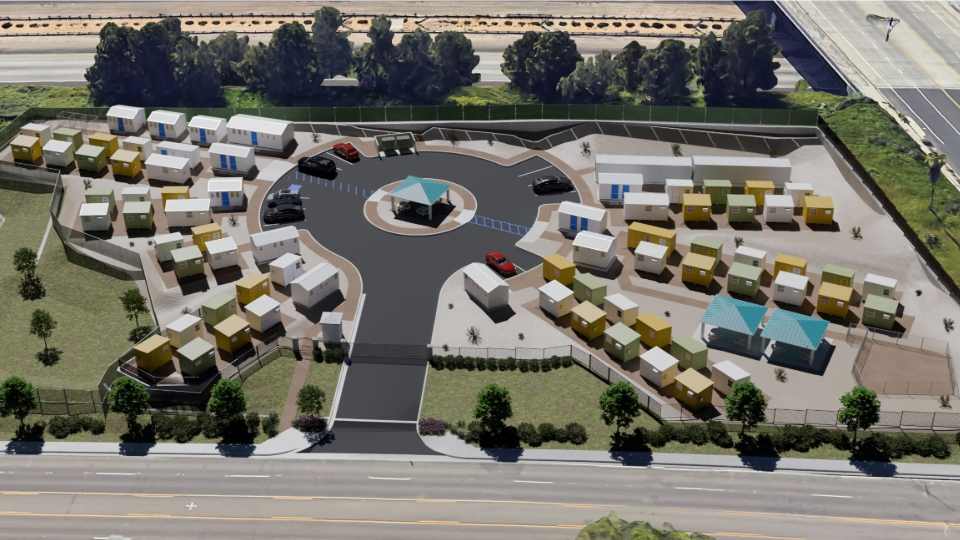

The County has begun construction on the Troy Street Sleeping Cabins project in Lemon Grove. The site will provide temporary shelter and supportive services for people experiencing homelessness.
The project is being delivered by the County, with construction performed by a contractor through the Department of General Services.
Onsite features will include:
- 60 Sleeping Cabins
- Communal areas for meals and gathering
- A pet area
- Hygiene facilities
- Laundry
- Case management services
- Permanent housing navigation
- Behavioral health assessments
- Additional supportive services
Community voices are shaping design
Over the last two years, County leaders held community sessions and conducted extensive outreach to gather feedback about the programming and design of the Troy Street sleeping cabins. In mid-April, County representatives met with more than 100 nearby businesses and residents to share updates and receive input.
Earlier activities included:
- A July 24 workshop held in Lemon Grove
- An online site‑design meeting in November 2024
- A presentation to Lemon Grove City Council in March 2025
- A virtual update in April 2026
Each event was designed to get input from area residents on site layout and operations.
Information about these community meetings is available to the public on the County’s Troy Street Sleeping Cabins engagement page.
Timeline and funding
The Board of Supervisors first supported the Troy Street project in July 2024. In October 2025, the Board approved negotiations to purchase state highway property for the Troy Street site. The project is estimated to cost $13 million and expected to be completed in the summer of 2027.
Addressing the homelessness crisis
The Troy Street project aligns with the County’s 2022 Compassionate Emergency Solutions and Pathways to Housing plan, which expands non‑congregate shelters like sleeping cabins and safe parking throughout the region.
Sleeping cabins offer privacy, stability and wraparound services, that help residents move toward permanent housing.
To highlight the County’s recent work to increase affordable housing options, the County has launched the Housing for All Hub, a central resource for housing services, data and programs. The Hub also features an Affordable Housing Map that shows eligibility guidelines and property information.
Since 2017, the County of San Diego has invested more than $334 million in affordable housing through strategies such as leveraging excess County land, the Innovative Housing Trust Fund and other state, federal and local sources. These investments have created more than 3,445 homes, with another 2,600 in development.