County, UC San Diego Begin New Research on Tijuana River Valley Pollution Impacts
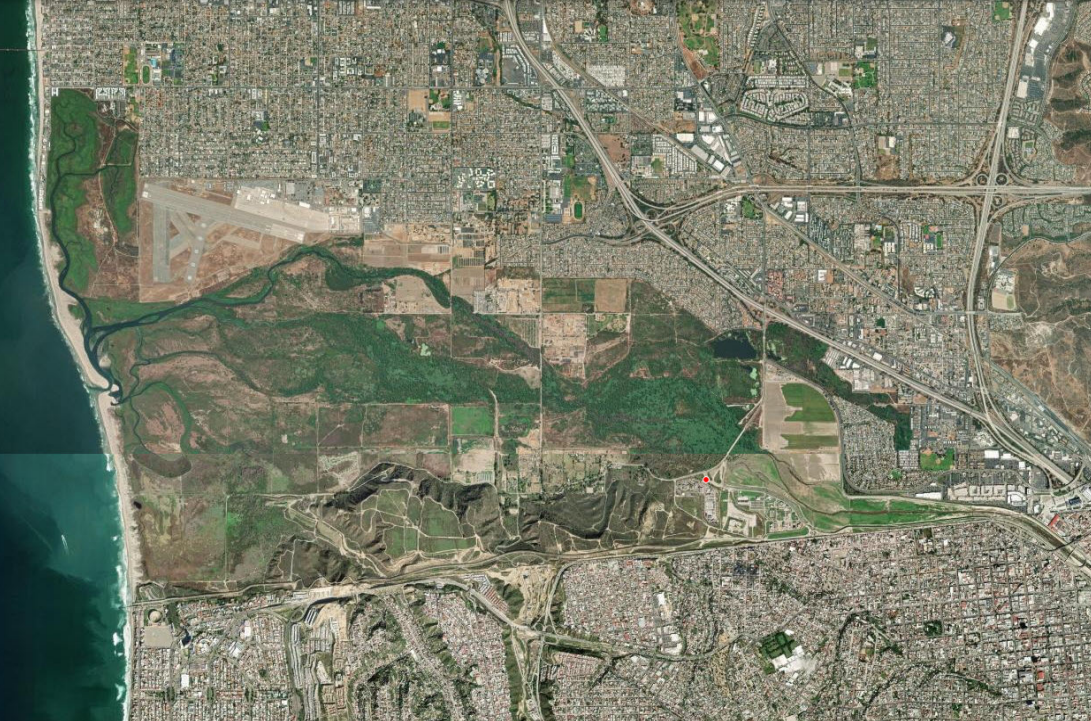

The County is partnering with the University of California San Diego to better understand how pollution from the Tijuana River Valley is affecting people living and working in nearby communities.
The new Exposure Characterization Study is part of the County’s Tijuana River Valley Chemical Pollution Impact Investigation and will identify, measure and model key harmful chemicals in the air that may affect public health in the Tijuana River Valley. Following a competitive procurement process, UC San Diego was selected to conduct the study.
“South Bay families have had to live with the unbearable stench, and the constant worry of how this pollution is impacting their health. Our residents shouldn’t have to guess if the air they breathe is safe,” said Supervisor Paloma Aguirre, San Diego County, District 1. “By partnering with UC San Diego, we are taking a critical step toward getting the definitive, scientific answers our community deserves.”
The effort is another step in the County’s ongoing response to the pollution crisis in the South Bay caused by transboundary sewage flows from Mexico.
Communities in the South Bay, particularly those living near the Tijuana River Valley, have experienced recurrent hydrogen sulfide emissions, often recognized by a strong rotten egg smell.
“Our communities deserve clear, science-based answers about the pollution affecting their daily lives,” Dr. Sayone Thihalolipavan, M.D., M.P.H., County Public Health Officer. “This study will give us more information to understand what people are being exposed to and how those exposures may vary across neighborhoods. We welcome the opportunity to partner with Dr. Kimberly Prather of UC San Diego, her team, and her collaborators to further benefit the region.”
The Exposure Characterization Study will help identify and understand important chemicals in the air and how they differ across locations within the region.
The project will integrate existing and ongoing measurements of airborne chemicals, develop a hydrogen sulfide monitoring framework and web-based distribution map. This will equip the County with the scientific foundation needed to support future health studies, and with actionable information it can put to use immediately for community planning, communication and public health decision-making.
Led by Prather, the study will include partners and collaborators from UC Riverside, San Diego State University, University of Miami, and the University of Texas-Austin.
The County Board of Supervisors approved funding for the study, which will cost up to $249,948 and is expected to be completed in one year. The County and UC San Diego, with the assistance of the San Diego State University School of Public Health, will coordinate to share findings with the community.
Ongoing Response to Tijuana River Valley Pollution
In 2024, the Centers for Disease Control and the County conducted a Community Assessment for Public Health Response (CASPER) that found 70% of surveyed households reported symptoms they believe are tied to Tijuana River pollution, including headaches, nausea, stomach discomfort, cough, and throat irritation. A subsequent Assessment of Chemical Exposures (ACE) survey found that 65% of respondents felt their mental health had been significantly impacted by the ongoing pollution crisis.
A regional partnership that includes the U.S. International Boundary and Water Commission (USIBWC), U.S. Environmental Protection Agency (EPA), California Department of Public Health (CDPH), San Diego Regional Water Quality Control Board, (SDRWQCB), San Diego County Air Pollution Control District (SDAPCD), the County, and other agencies has been coordinating on sewage treatment progress and health guidance since 2024.
The County also works closely with the Tijuana River Coalition, healthcare providers, and community organizations to support affected communities.
More information about Tijuana River Valley pollution, South County beach water conditions and ongoing response efforts is available from the SDAPCD, USIBWC and the County’s dedicated Tijuana River Valley & Beach Water Sewage Crisis webpage.