Do You Know Where Your Poisons Are?
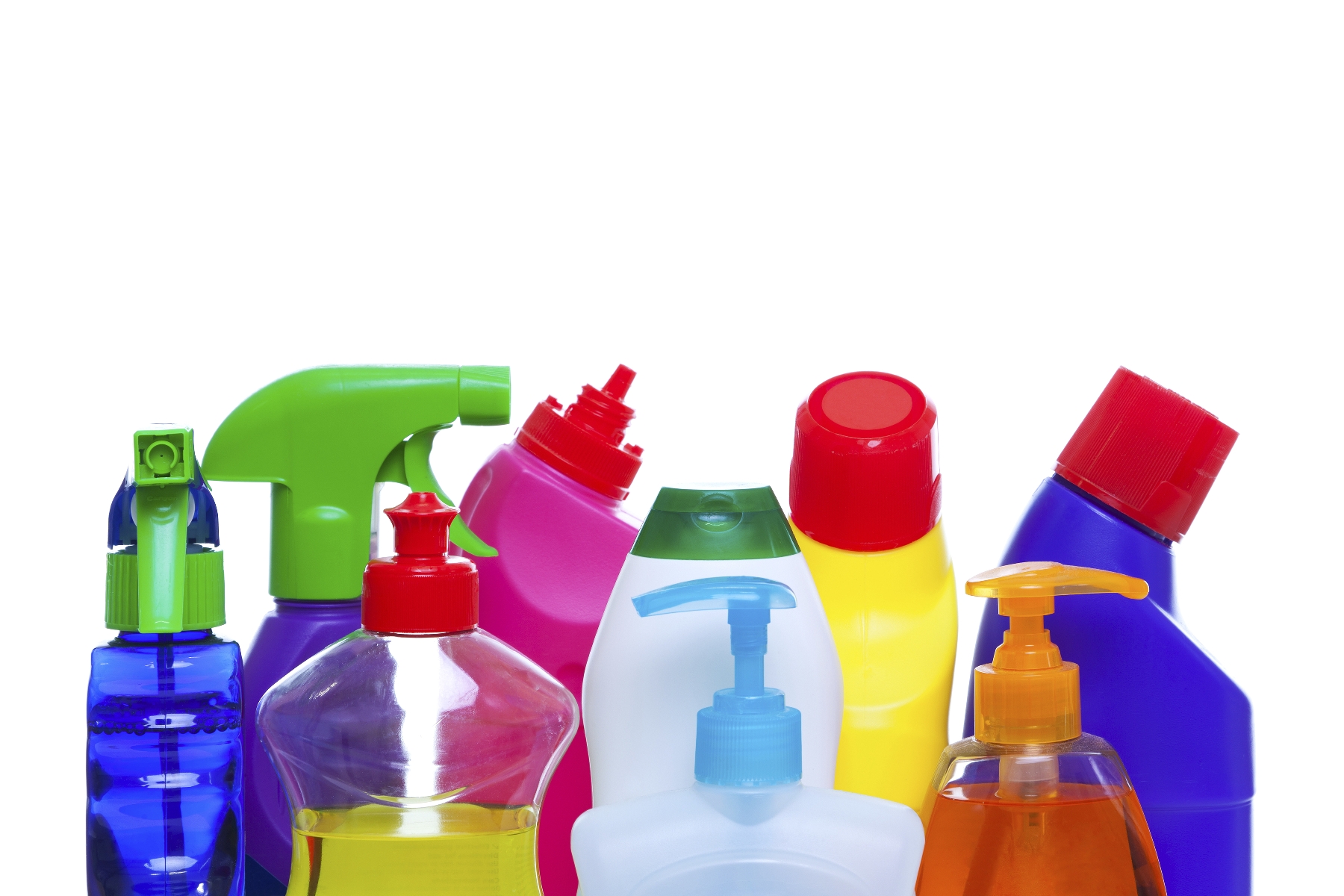

It’s National Poison Prevention Week. Do you know where your poisons are? Are you aware of common every-day dangers that lurk in your household?
March 18-24 is the 50th anniversary of National Poison Prevention Week, and although great strides have been made in reducing some hazards, new dangers are emerging in homes that threaten people of all ages.
Child-resistant packaging on medicines and household products as well as the banning of lead-based paints in homes are among the advances made to reduce the number of poisonings. There is still potential danger in most of our homes, however. The abuse or misuse of prescription drugs, pest control products and small button-like batteries have become the latest poison hazards making news.
In the past year, the 57 poison control centers in America received more than four million calls – 2.4 million requiring treatment for poisoning exposure and 1.6 million seeking information about potential hazards.
San Diego is home to one of the California Poison Control System’s regional centers housed at the University of California San Diego. Trained health care professionals staff the center and provide immediate expert treatment advice and assistance over the phone for people exposed to poisonous, hazardous or toxic substances. The 24-hour toll-free hotline is 1-800-222-1222.
The San Diego County Health and Human Services Agency Childhood Lead Poisoning Prevention Program (CLPPP) provides public education about the dangers of lead exposure. The program provides nursing case management for lead-poisoned children, and identifies and eliminates sources of lead exposure. They can be reached at 619-692-8487.
Children with publicly-funded insurance such as Medi-Cal, WIC, Healthy Families and the Child Disability Prevention Program should be tested for lead poisoning at 12 and 24 months of age and anytime up to 6 years of age if they have never been screened before. Children with privately funded insurance should be evaluated for lead testing by their health care provider.
Common sources of lead poisoning come from paint on homes built before 1979; contaminated soil; imported toys; tamarind or chili-coated imported candy; handmade or imported pottery and dishes; home remedies; or occupational exposure to substances in auto repair, shipbuilding or construction sites.
The easiest step to help prevent lead poisoning is to wash your children’s hands and toys frequently. A healthy diet with foods rich in iron, calcium and vitamin C also helps prevent lead absorption into the body.
The County (for unincorporated areas) and many cities in the County offer household hazardous waste collection facilities to dispose of unwanted products. By properly disposing of products such as aerosol cans, household cleaners, paints, solvents, fertilizers and batteries, you can eliminate potential poison hazards and keep your property environmentally friendly.
The County’s two permanent household hazardous waste facilities are in Ramona and El Cajon. Click here for a list of collection sites by city.
See an inside look at the Poison Control Center and learn how the County’s Hazmat Team works with the Poison Control Center:
