Face Coverings Protect Others and You
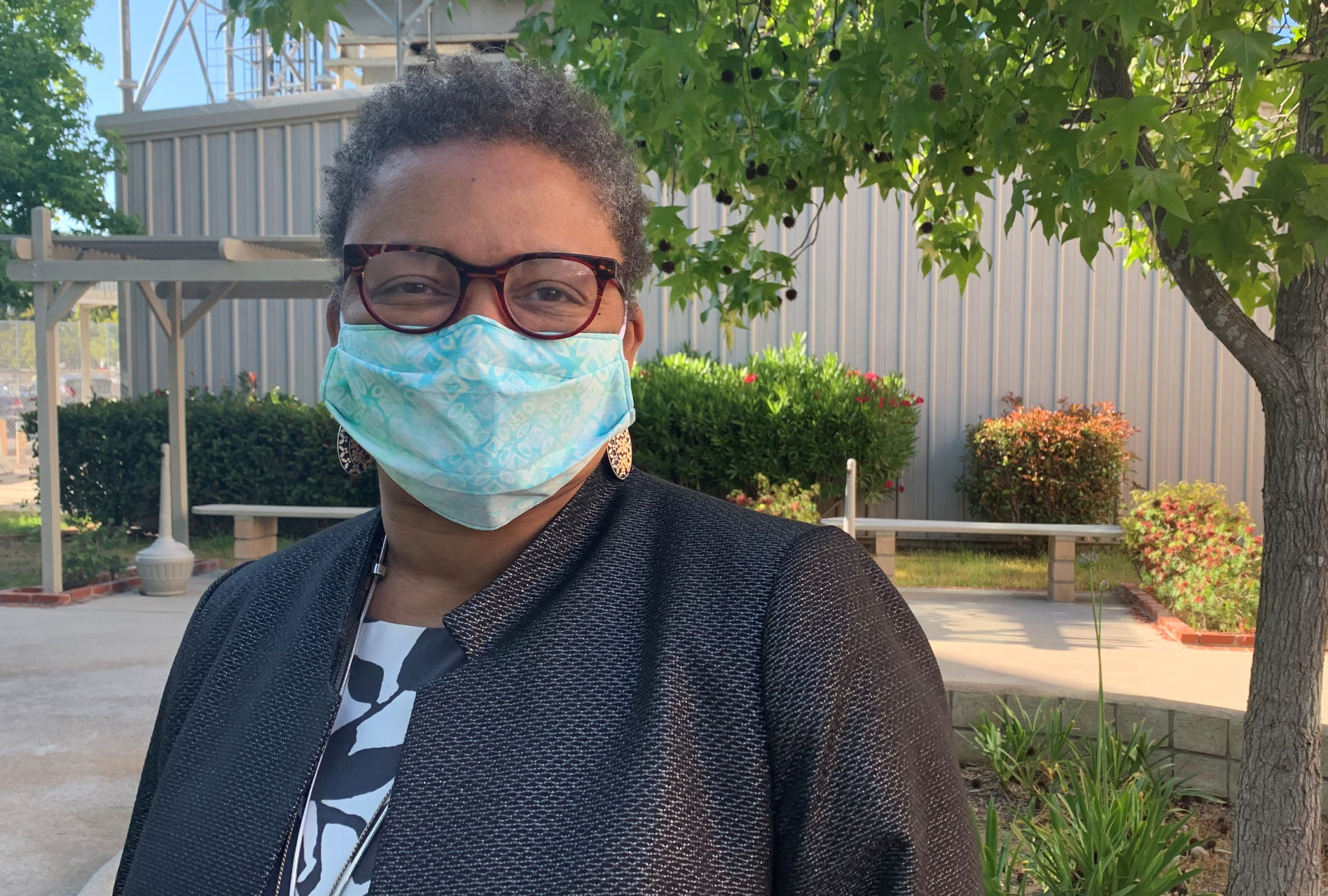

Are you wearing a face covering when out and around others? If not, you should.
Research has shown that when face coverings are used properly, they reduce transmission of the novel coronavirus, which causes COVID-19.
Face coverings are important because people can have COVID-19 and transmit the virus, but not have any symptoms.
“Since we can’t be sure who is contagious, the best protection is to have everyone two years and older cover their face,” said Wilma Wooten, M.D., M.P.H., County public health officer.
When you wear a face covering, you protect those around you. When others use a face covering, they protect you.
The County’s local Health Officer Order requires San Diegans to wear a face covering when in public and less than six feet from others, or any time they enter a business, except when its use is prevented by a medical condition.
Face coverings “disrupt the trajectory of a cough, sneeze or breath” preventing droplets carrying the virus from traveling between people, according to the Centers for Disease Control and Prevention. The CDC recently updated its guidance to note that the virus spreads very easily between people, even more so than influenza.
The strategy is most effective when compliance is high. Countries that recommend or require their citizens to wear face coverings in public have been shown to be more successful in their response to the COVID-19 pandemic. Also, see Face Masks Against COVID-19: An Evidence Review.
The cloth face coverings, which will be required until further notice, don’t have to be hospital grade. N-95 respirators and surgical masks should be reserved for health care workers. But they should cover the nose and mouth.
Homemade masks, bandanas, scarves and neck gaiters are acceptable, since these items can be washed and reused. Facial coverings don’t need to be used when people are at home.
The CDC indicates cloth face coverings should:
- Fit snugly but comfortably against the side of the face
- Be secured with ties or ear loops
- Include multiple layers of fabric
- Allow for breathing without restriction
- Be able to be laundered and machine dried without damage or change to shape

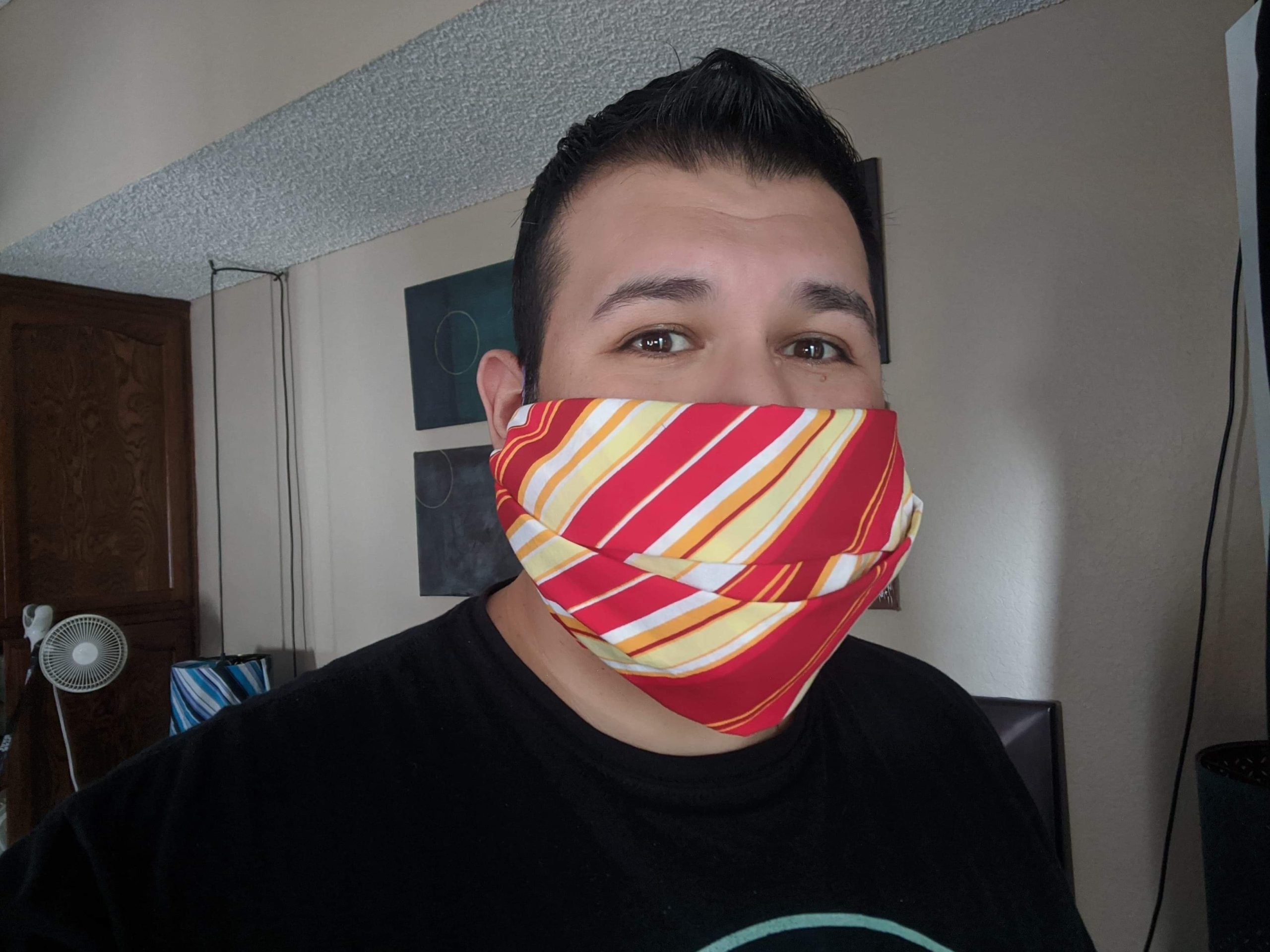
Where to Wear a Face Covering
- Face coverings must be worn in public settings, such as:
- Waiting in line to go inside a store
- Shopping in a store
- Picking up food at a restaurant
- Waiting for or riding on public transportation
- Riding in a taxi or ride service vehicle
- Seeking health care
- Going into facilities allowed to stay open
- Working an essential job that interacts with the public
Face coverings will be required in public until further notice.
Face coverings are not required:
- At home
- In the car alone or with members of the same household
- When advised by a medical doctor
- For children under 2 years old due to the risk of suffocation
- When swimming, walking, hiking, bicycling or running provided there is social distancing
People who choose not to wear face coverings may be cited and denied access to businesses, transit or recreational areas.