First Human West Nile Virus Case Reported in County
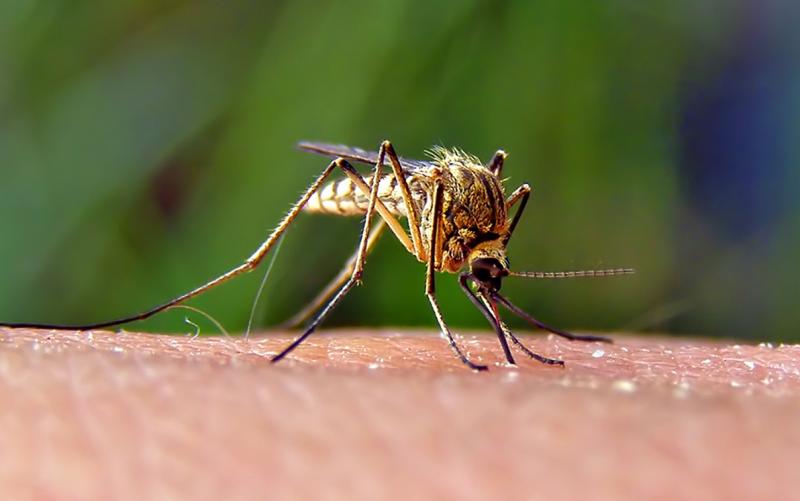

A 19-year-old Escondido man has the first local case of West Nile virus (WNV) in 2012, the County Health and Human Services Agency (HHSA) reported today. This is the first local human case since 2009.
The man reported no symptoms; however, the virus was detected during a routine screening test of blood he donated in late July. The man did not recall any mosquito bites in the 30 days prior to donating blood and said he did not travel out of the county during this period.
HHSA and the County’s Department of Environmental Health Vector Control are inspecting the man’s home and surrounding areas for potential mosquito breeding locations and setting up traps.
“Even though Vector Control has been actively monitoring and no mosquitoes have tested positive for West Nile this year, this is an indication that the virus is here,” said Wilma Wooten, M.D., M.P.H, County Public Health Officer. “It’s important for the public to know West Nile virus is a dangerous and potentially deadly disease.”
The California Department of Public Health reported last week the first death in the state due to WNV. The Centers for Disease Control and Prevention warned that more cases of WNV have been diagnosed so far this season than at any time since 2004. The normal “season” for WNV is August and September.
Of those individuals who become infected with WNV, 80 percent will have no symptoms. Most of those who do fall ill have a mild illness of headache, fever, nausea, fatigue, skin rash or swollen glands. One in 150 of those infected with WNV will have serious neurologic complications that can be life threatening. The risk of complications increases for those over age 50, and people with weakened immune systems.
Health officials urge the public to protect itself by practicing “Prevent, Protect, Report.”
- Prevent Mosquito Breeding: Dump out or remove any backyard item that can hold water, such as plant saucers, rain gutters, buckets, garbage cans, toys, old tires and wheelbarrows. Mosquito fish may be used to control mosquito breeding in backyard water sources such as unused swimming pools, ponds, fountains and horse troughs.
- Protect Yourself from Mosquito Bites: Protect yourself from WNV by staying inside when mosquitoes are most active, between dusk and dawn. Wear long sleeves and pants when outdoors. Use insect repellent containing DEET, picaridin, oil of eucalyptus or IR3535 when outside. Make sure screens on windows and doors are in good condition and secured.
- Report Dead Birds and Green Swimming Pools: Please report dead crows, ravens, jays, hawks and owls, and green pools to the Vector Control Program.
Remember, you can also sign up to receive text messages to get the latest West Nile Virus updates via mobile telephone by simply texting the word PEST to the number 75309 on your cell phone. For more information about West Nile Virus, go to San Diego County’s “Fight the Bite” website.
###