More Hepatitis A Outbreak Deaths Reported

Eight people have now died as a result of the hepatitis A outbreak in San Diego the County Health and Human Services Agency announced today. All eight people had underlying medical conditions at the time of their death.
There have been 275 cases identified during the local outbreak, including 194 people who have been hospitalized. People who are either homeless or using illicit drugs account for at least seven in ten of the illnesses, and just over one in five also have hepatitis C.
“We continue to stress that people who are at risk should get vaccinated and people need to be vigilant about washing their hands after going to the bathroom,” said Wilma Wooten, M.D., M.P.H., County public health officer. “We are continuing to evaluate cases, but so far public health investigators have not identified any common food, drink or drug source as the contributing cause to this outbreak.”
The County is working with community partners to conduct vaccination clinics for people who are at risk for hepatitis A. These partners include homeless services providers, community health clinics, faith-based community organizations, substance abuse treatment providers, hospital emergency departments, jails, and probation facilities.
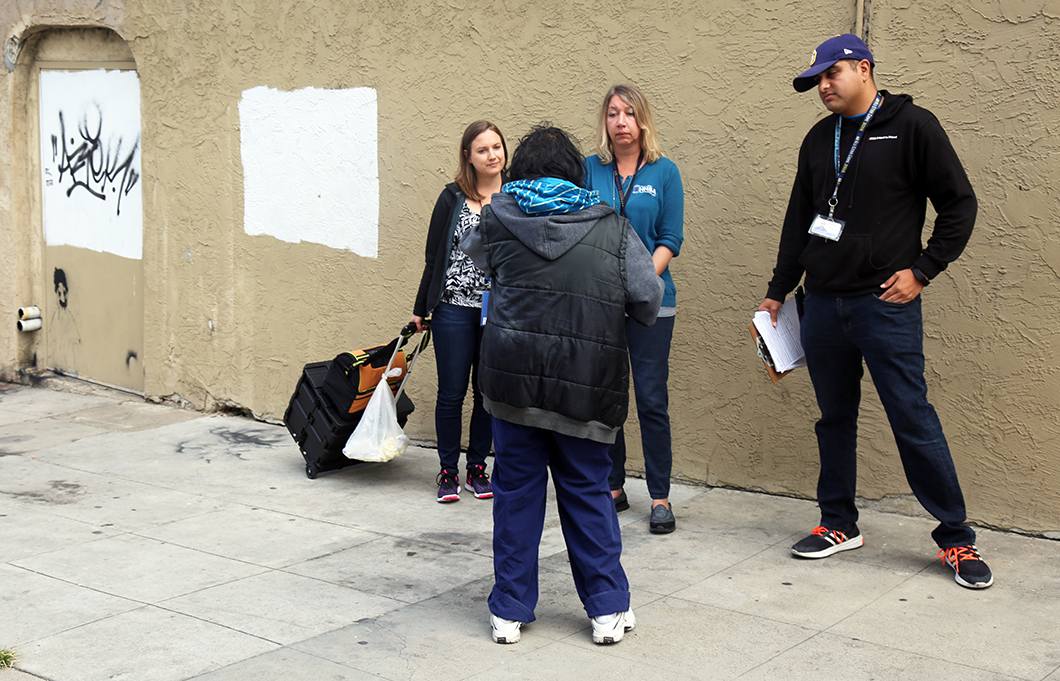
Teams of public health nurses also continue to go into the community to offer homeless people vaccinations and education about the outbreak.
Current outbreak statistics are updated weekly on the County’s hepatitis A website.
Hepatitis A is most commonly spread person-to-person through the fecal-oral route. Symptoms of hepatitis A include jaundice (yellowing of the skin and eyes), fever, fatigue, loss of appetite, nausea, vomiting, abdominal pain, dark urine, and light-colored stools. Symptoms usually appear over a number of days and last less than two months. However, some people can be ill for as long as six months. Hepatitis A can sometimes cause liver failure and even death.
The best way to prevent hepatitis A is by getting vaccinated. The hepatitis A vaccine became available in 1995 and is recommended as part of the routine childhood vaccination schedule. However, many adults have not been vaccinated and may be susceptible to the hepatitis A virus.
“Today is World Hepatitis Day, and anyone in San Diego County who is concerned about getting hepatitis A is encouraged to get the vaccine if they have not already gotten it,” said Wooten.
Hepatitis A vaccine is available at many doctors’ offices and clinics and at some retail pharmacies. For persons without health insurance, vaccine is available at County Public Health Centers. For a list of locations, call 2-1-1 or visit sdiz.org.
In addition to children, hepatitis A vaccine is routinely recommended for the following high-risk groups:
- Travelers to countries that have higher rates of hepatitis A (check the CDC Travelers’ Health website for places where vaccination is recommended)
- Users of injection and non-injection illegal drugs
- Homeless people
- Men who have sex with men
- People with chronic liver diseases, such as cirrhosis, hepatitis B or hepatitis C
- Household or sexual contacts of hepatitis A patients
Because of the local outbreak, unvaccinated individuals who work closely with the homeless and with illicit drug users are recommended to get the hepatitis A vaccine.
People who should get the vaccine include:
- People who work or volunteer at homeless services agencies
- Health care or public safety personnel who work on a frequent and ongoing basis with the homeless or illicit drug users
- People involved in sanitation or clean up in areas where the homeless are located
- Anyone who is concerned about exposure to hepatitis A
Hepatitis A can also be prevented through good hygiene. Everyone should:
- Wash their hands for 20 seconds (about the length of time to sing “Happy Birthday” twice) with soap and running water before eating and after using the restroom or changing a diaper
- Do not directly touch the door handle when exiting a public restroom
- Do not share food, drinks, or smoking materials with other people
For general information on hepatitis A, visit the HHSA hepatitis website where data are updated routinely. A hepatitis A fact sheet is also available.