Near-Drowning Incidents Increase in Children During Pandemic
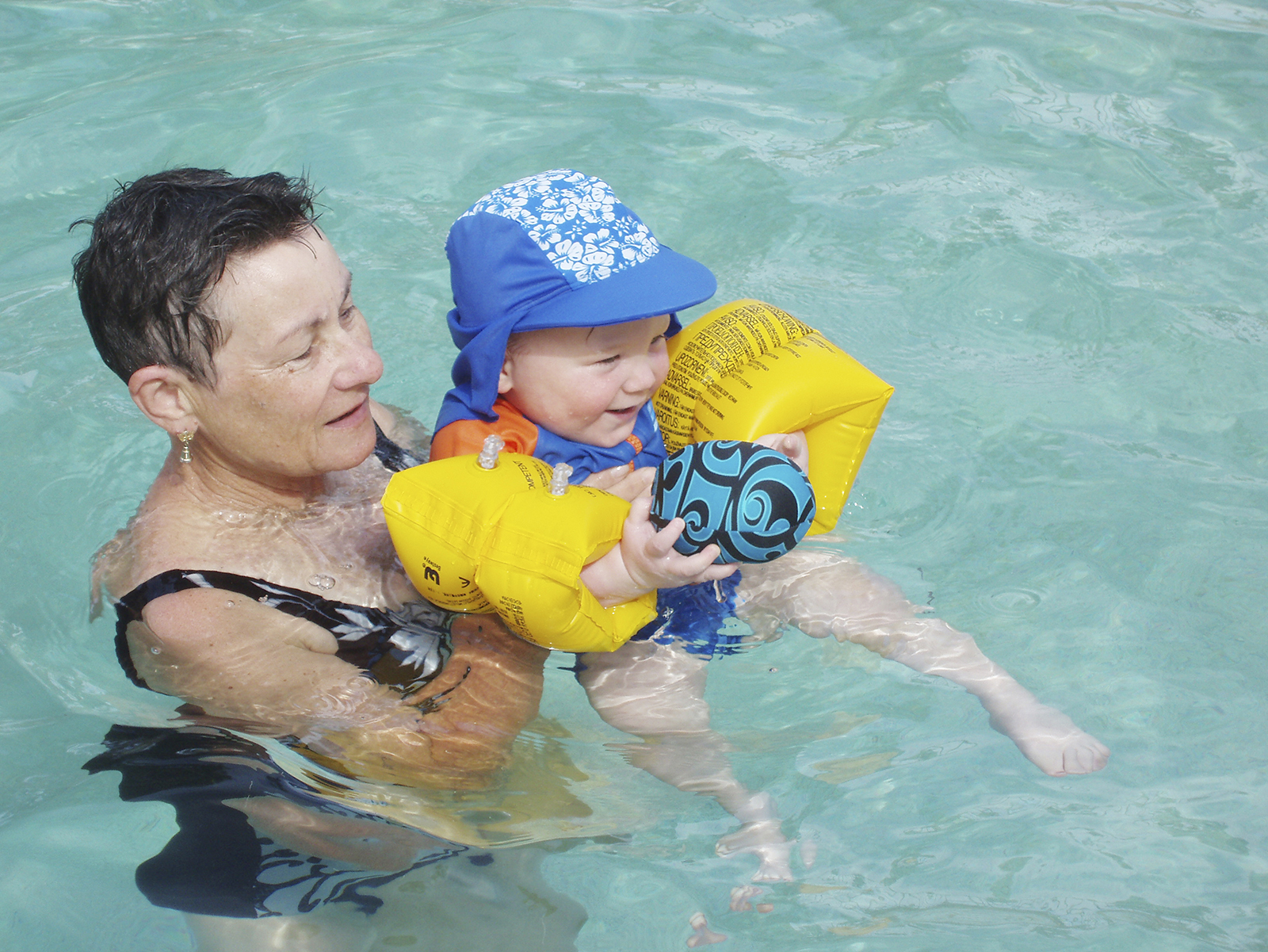

An increasing number of San Diego children have had to be rescued from private pools after nearly drowning, the County Health and Human Services Agency announced today.
Local data shows that 49 rescues occurred in private pools, beaches and bays from March through July 2020 compared to 37 in the same time period of 2019 and 33 the year before that. Nearly all those rescued needed to be taken to local hospitals for treatment.
Of the 49 near-drowning incidents reported this year, 28 occurred in pools, most of them private pools. Fourteen occurred in the ocean, lakes or bays and the rest in unknown bodies of water.
Twenty-four of the swimming incidents reported over the same period occurred in private pools and involved children 14 years and under. Some public pools have been closed due to COVID-19. In comparison, 18 occurred in 2019 and 21 the year before that.
From March through July over the past three years, nine children and babies drowned in San Diego County. All but two were 2 years of age or younger:
2020: 2 (one in a bathtub and one in a private pool)
2019: 5 (all in private pools)
2018: 2 (one in a bathtub and one in a private pool)
“Parents and guardians must take the necessary precautions to keep these incidents from happening,” said Wilma Wooten, M.D., M.P.H., County public health officer. “Children who swim in pools at home are at higher risk of drowning, especially as parents struggle to supervise their children while continuing to work at home through the summer months because of the novel coronavirus.
“Parents should think safety first when children are near or in pools or other bodies of water to prevent injury and accidental drowning,” Wooten said.
Here are some tips to minimize your risk and your children’s risk of drowning.
General Water Safety:
- Teach children to swim
- Never leave a child unsupervised in or near water
- Avoid alcohol
- Learn cardiopulmonary resuscitation (CPR)
Residential Swimming Pools and Spas:
- Install a fence around the pool and hot tub. Many jurisdictions have detailed laws regarding how this is done.
- Install alarms
- Remove toys. On the deck they can be a tripping hazard, or in the water they can attract children.
- Beware of drains
- Follow all swimming rules posted at swimming areas
- Keep emergency equipment handy
Natural Bodies of Water:
- Always swim with a buddy
- Swim only in areas that have a lifeguard
- Wear a life jacket
- Enter water feet first for the initial descent
- Never leave children unobserved, even for short periods of time
Toilets, Bathtubs and Buckets:
- Keep the bathroom door closed
- Supervise bath time
- Shut toilet lids
- Store buckets safely
The California Paramedic Foundation will soon be launching a social media campaign to warn parents about the dangers of unsupervised swimming.
More information and prevention strategies can be found at Mayo Clinic and Safe Kids.