Rabies Cases in Local Bats Increase Ahead of Summer
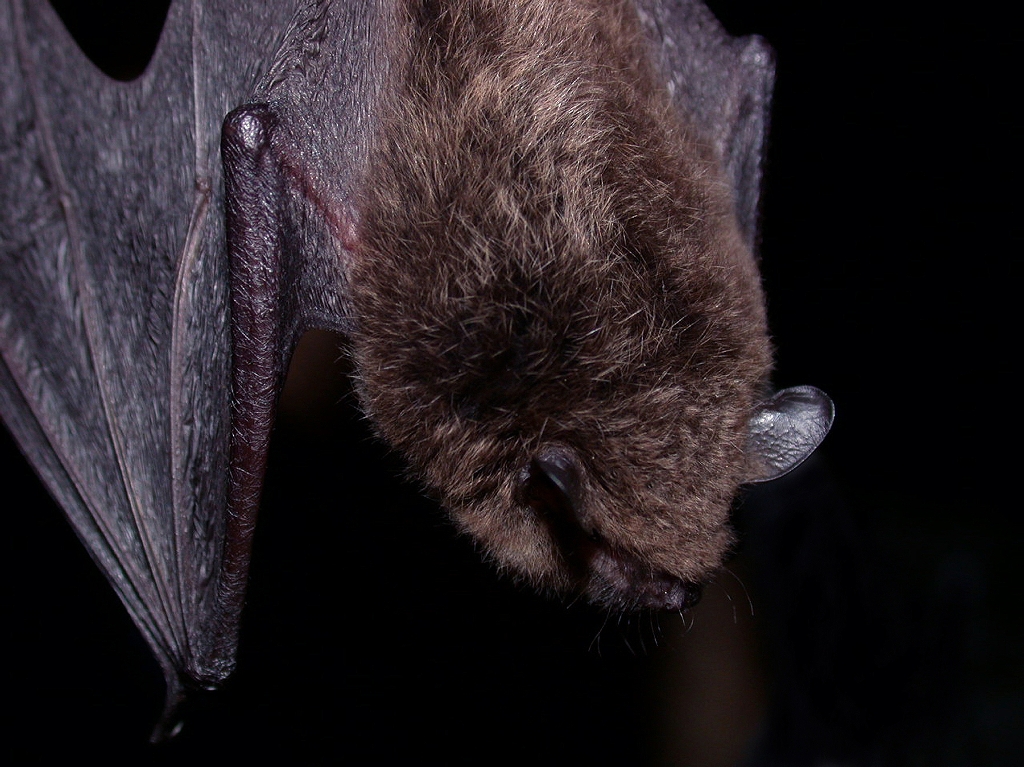

San Diego County is experiencing an increase in rabies detections in bats this year, with 14 rabies-positive bats so far. With summer approaching—the season when rabies detections are most common, County health officials are reminding residents how to stay safe.
In May, four bats tested positive for rabies locally. Two were wild bats found at the San Diego Safari Park in Escondido: one on May 11 on a tree near Thorntree Terrace and another on Friday, May 29 inside the Mombasa Cooker Restaurant.
Another wild rabid bat was found at the San Diego Zoo on May 23 in bushes off Center Street. None of these bats were part of park exhibits, and visitors who did not touch a bat are not at risk. A fourth bat was found in Santee on May 16 at a private residence and did not expose people to rabies.
People who come in direct contact with a bat, or who think they may have touched one, should contact County Public Health Services at (619) 692-8499 immediately.
“Human rabies is almost always fatal without prompt postexposure vaccination and treatment,” said Dr. Sayone Thihalilopavan, County Public Health Officer. “Rabies can be transmitted through a bite or when an infected bat’s saliva enters a cut, scrape, or the eyes, nose or mouth.”
Public health officials remind residents:
- Give wildlife space. Bats are protected species, and it is illegal to kill, harm or keep them
- If you touch a bat, wash the area with soap and seek medical advice immediately. Post-exposure vaccination is highly effective before symptoms begin
- Rabies symptoms can take weeks to months to appear, but once symptoms start, the disease is almost always fatal
- Bat bites can be too small to see. Any bare-skin contact with a bat could be an exposure
- Keep pets up to date on rabies vaccinations
Rabies remains rare in humans thanks to strong prevention efforts. California’s most recent human rabies case occurred in 2024 in a Fresno County resident who was exposed to a bat in Merced County.
Bats play an important role in our local ecosystem by eating insects and pollinating plants. They are most active around sunset.
For more information on rabies, visit the County’s website and view local data on the County’s rabies dashboard.