San Diego’s Number One Killer

It claims the lives of nearly 5,000 San Diegans every year and has become the leading killer in the region.
“Cancer is now the number one cause of death in San Diego County, ahead of heart disease, the number one killer in the United States,” said Wilma Wooten, M.D., M.P.H., County public health officer.
Every year, more than 1 million people in the United States are diagnosed with cancer, the general name for a group of more than 100 diseases that can cause serious illness and death. Cancer killed 4,958 San Diegans in 2012, the most recent year for which statistics are available.
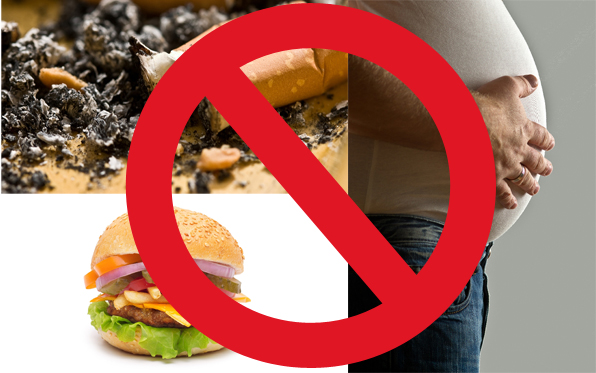
Three behaviors—poor nutrition, lack of physical activity and tobacco use and substance abuse- lead to four chronic diseases—cancer, heart disease and stroke, type 2 diabetes and lung disease. Combined, these diseases cause more than 50 percent of deaths in San Diego County. That cause-and-effect chain forms the 3-4-50 principle that helps drive the County’s Live Well San Diego initiative, which recently celebrated its fourth anniversary.
According to the American Cancer Society, more than half of all cancer deaths could be prevented by making healthy choices like not smoking, maintaining a healthy weight, eating right, keeping active, and getting the recommended screening tests.
“Some types of cancer can be prevented by reducing or changing the risk factors,” Wooten said, adding that the County’s Live Well San Diego initiative aims to reduce cancer and other chronic diseases by encouraging San Diegans to be more physically active, eat healthier foods and stop smoking.
So, what are some factors that are known to increase the risk of developing cancer?
Poor diet, lack of exercise and obesity
- Maintaining a healthy weight, being physically active on a regular basis and eating healthy foods can reduce the risk for cancer.
- One third of about 586,000 cancer deaths reported in the U.S. each year are linked to poor diet, lack of physical activity and being overweight.
Tobacco use and substance abuse
- Smoking and other forms of tobacco use are known to increase the risk for many kinds of cancer. Cigarette smoking, including second-hand smoke, is believed to cause about 30 percent of all cancer deaths in the U.S.
- Studies have shown that drinking alcohol in excess is linked to an increased risk of some cancers, including breast, liver and colorectal cancer.
In addition to changing behaviors linked to 3-4-50, individuals can further protect themselves against certain types of cancers through:
Routine Screenings:
- Routine tests may find breast, cervical, and colorectal (colon) cancers early when they are more likely to be treated successfully.
Prevention of Certain Infections
- Certain viruses, such as the human papillomavirus (HPV), hepatitis B, and hepatitis C, increase the risk for certain types of cancer.
- Two vaccines— for HPV (to prevent cervical cancer) and Hepatitis B (to prevent liver cancer) –have already been developed and approved by the U.S. Food and Drug Administration.
Protection from Sun Exposure
- Being exposed to ultraviolet rays from sunlight is the main cause of non-melanoma skin cancers.
- Regular use of sunscreen, protective clothing, and eyewear can reduce the effects of sun exposure.
For more information about cancer, visit the American Cancer Society website. For local information and data, visit www.sdhealthstatistics.com.