Aerial Treatments Start to Prevent Mosquitoes
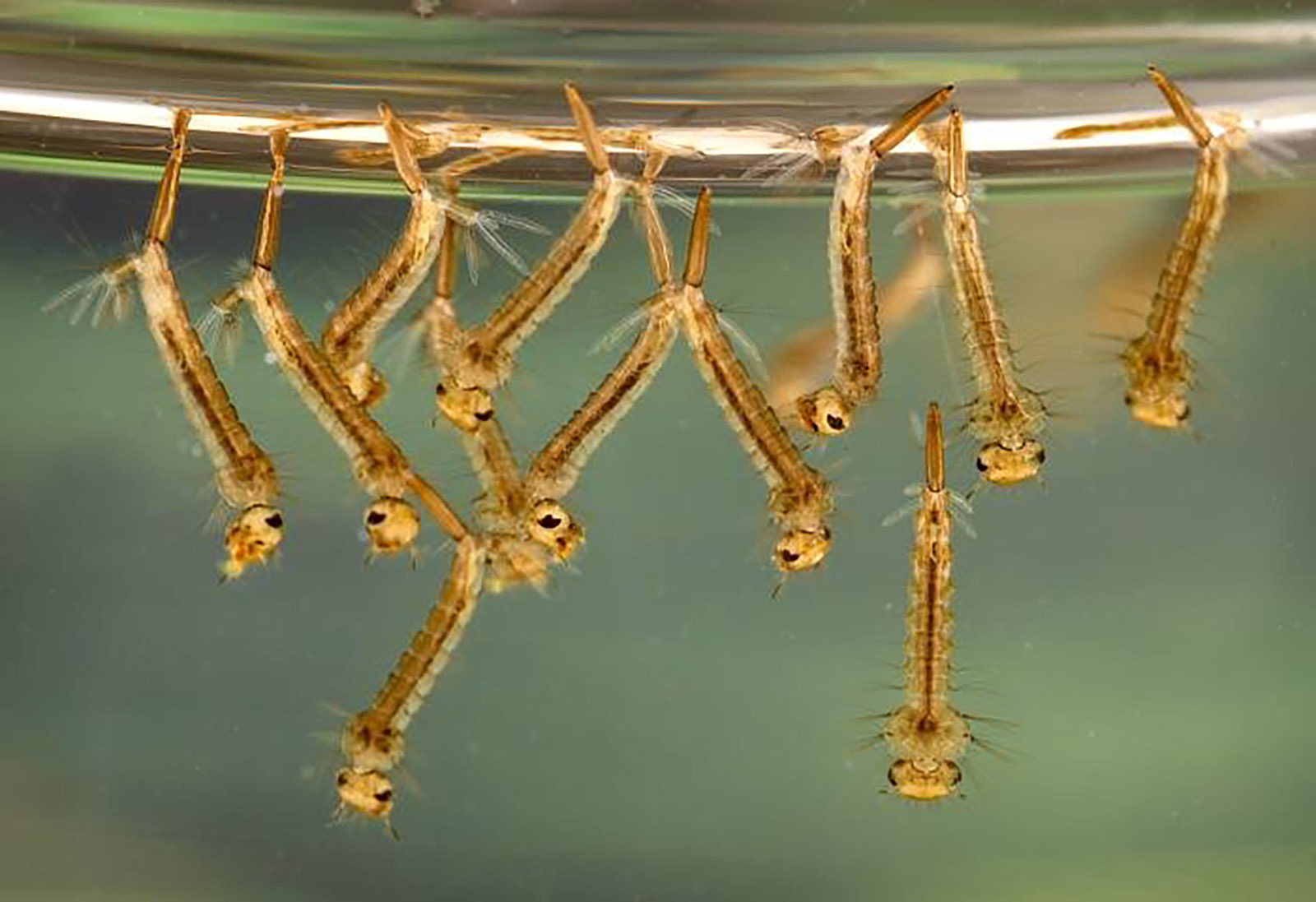

San Diego County Vector Control will begin its first routine aerial larvicide drop of the year on March 24, focusing on up to 50 local waterways where mosquitos commonly breed.
The treatments happen monthly through October at sites throughout the region. The larvicide used is a solid, granular product that is safe for people, pets and wildlife but effective at controlling mosquito larvae before they can grow into biting mosquitoes.

The County has used helicopters for these efforts since the early 2000s, when West Nile virus first appeared in the region. While West Nile is primarily a bird disease, it can spread to people when mosquitos feed on an infected bird and then bite humans.
Comprehensive Mosquito Control
Aerial drops are one part of Vector Control’s Integrated Vector Management Strategy. County Vector Control teams also:
- Monitor approximately 1,600 potential mosquito-breeding sites each year
- Apply larvicide by boat, truck and hand crews
- Provide free mosquito-eating fish to the public.
- Locate and treat neglected swimming pools for mosquito breeding
- Test dead birds for West Nile virus
- Monitor mosquito populations for potential mosquito-borne illnesses
How Residents Can Help Prevent Mosquitoes
County officials emphasize that community action is key to reducing mosquitoes in and around the home by using the “Prevent, Protect, Report” guidelines.
Prevent Mosquito Breeding
Dump or remove anything that can hold water—plant saucers, rain gutters, buckets, garbage cans, toys, old tires, and wheelbarrows. Residents can request free mosquito fish for backyard prond, unmaintained pools, fountain and horse troughs by contacting the Vector Control Program. For more tips, go to Vector Control’s Prevention Toolkit website.
Protect Yourself from Mosquito Bites
Wear long sleeves and pants or use insect repellent when outdoors. Choose repellent that contains DEET, picaridin, oil of lemon eucalyptus, or IR3535. Check window and door screens to ensure they are in good condition and fit securely.
Report Increased Mosquito Activity and Dead Birds
Report increased mosquito activity, stagnant, unmaintained swimming pools, other mosquito-breeding sources and dead birds — including crows, ravens, jays, hawks and owls —by calling (858) 694-2888 or emailing vector@sdcounty.ca.gov.
Residents who still experience mosquito issues after removing standing water can request an educational mosquito inspection.