County public health officials are urging residents to avoid foraging for and eating wild mushrooms as amatoxin-related mushroom poisonings continue to rise in parts of the state.
Some wild mushrooms contain amatoxin, a potent toxin that can cause severe liver damage and may be fatal. Cooking, freezing or drying does not destroy amatoxins.
According to the California Department of Public Health (CDPH), eight new mushroom poisoning cases were reported in the last month as new blooms of amatoxin-containing mushrooms appear across the state, including in parts of Southern California.
Since November 2025, 47 mushroom poisoning cases, including four deaths and four people who required liver transplants. California typically sees fewer than five amatoxin poisonings a year. No cases have been reported this year in the County of San Diego.
“The number of amatoxin cases we’re seeing in California is unprecedented and tragic,” said Dr. Sayone Thihalolipavan, M.D., M.P.H., County public health officer. “We are urging San Diegans to please stay safe by avoiding collecting and eating all wild mushrooms. Even mushrooms that look harmless can contain dangerous toxins that lead to life-threatening illness days later.”
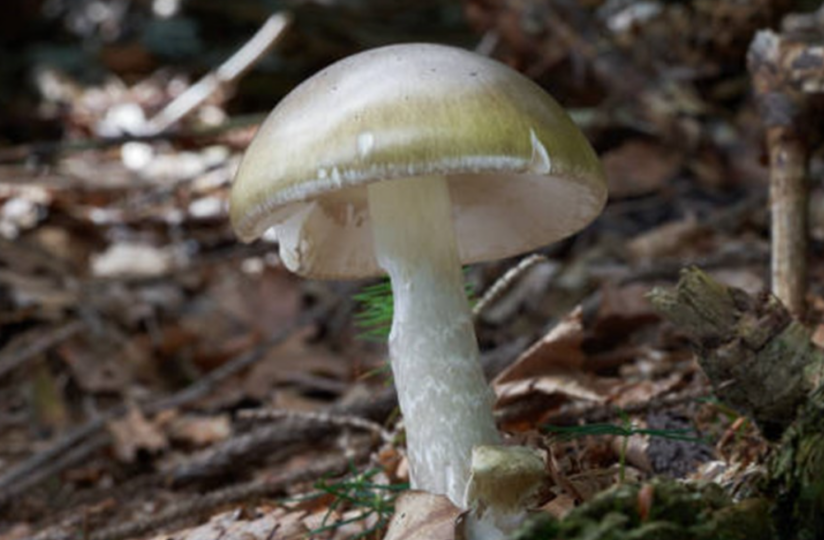
Amatoxin poisoning in California is most often linked to the death cap mushroom. These mushrooms, along with other amanita-containing varieties, can be found in San Diego County. The safest choice is to avoid eating any wild mushrooms that are not store-bought.
Delayed Symptoms Can Be Deceptive
Symptoms of amatoxin poisoning typically begin 6 to 24 hours after consumption and can include nausea, vomiting, abdominal pain and diarrhea. Symptoms may briefly improve, before serious liver injury develops one to four days later, sometimes progressing rapidly to liver failure.
Because of the delay, people may not immediately associate their illness with eating wild mushrooms.
Children and pets are at risk because they may accidentally ingest mushrooms growing in yards, parks, canyons or open spaces. County health officials recommend removing wild mushrooms from outdoor areas and ensuring children do not touch or play with them.
What to Do in Case of Ingestion
Anyone who has eaten wild mushrooms and develops symptoms should seek medical care immediately and can call the California Poison Control System at 1-800-222-1222. The hotline is free, confidential and available 24 hours a day. If your pet may have eaten a toxic mushroom, contact a veterinarian or the American SPCA Animal Poison Control Center at 1-888-426-4435.