San Diego County received two major boosts this week in its efforts to reduce pollution in the Tijuana River Valley: a new $46 million state grant program and a California Coastal Commission-approved project that will help cut harmful gases near the Saturn Boulevard crossing.
$46 Million in State Grants Now Available
The State Water Resources Control Board has opened applications for a $46 million grant program to improve water quality and reduce pollution in the Tijuana River Valley and the New River.
Both waterways carry sewage, trash and other waste from Mexico into the United States, creating health risks for communities in South San Diego County and Imperial County.
Priority will go to projects that reduce bacteria, trash, emissions and other pollutants. Funding is also available for work that improves public health, restores natural areas or manages sediment. At least one project from each river will receive funding.
Planning grants are available for up to $750,000. Construction grants can reach $10 million, and in some cases up to $20 million. The program is funded through Proposition 4, approved by California voters in 2024. Applications are open from June 11 through August 31, with a webinar planned to help applicants navigate the process.
Coastal Commission Approves Temporary Culvert Fix to Cut Toxic Gas
The California Coastal Commission also approved a County project to temporarily extend two culvert pipes at the Saturn Boulevard crossing.
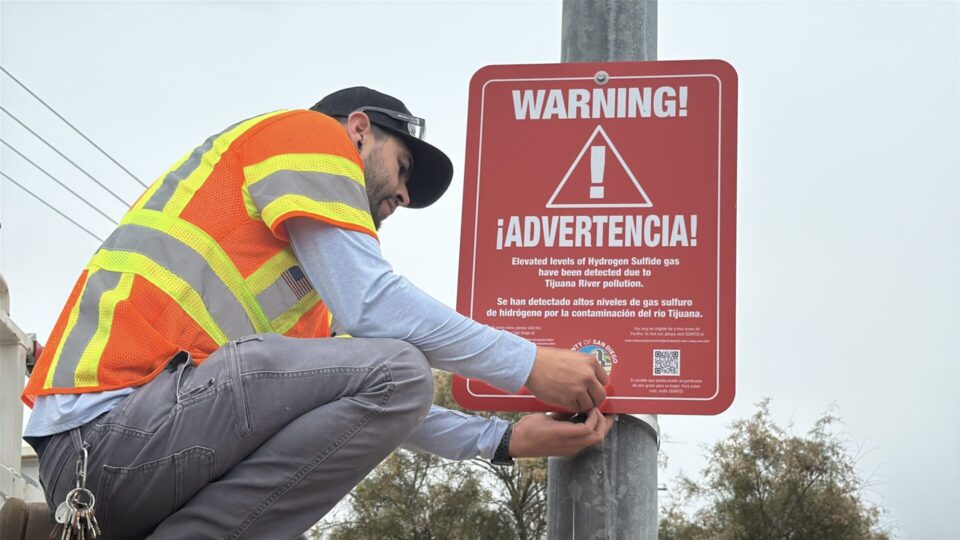
Currently, the culverts release water about six feet above the riverbed, creating splashing and turbulence that increases the release of hydrogen sulfide gas—known for its rotten egg smell and health risks.
The approved project extends the pipes so water is discharged below the surface, which should significantly reduce pathogens and gas emissions at the site. Pipe caps will help regulate flow, and anchors and riprap (rock material) will keep the system stable. Work will remain within existing disturbed areas to protect wildlife.
The Commission approved the project on June 10 with conditions to safeguard sensitive plants and animals, prevent water pollution during construction and maintain public access along Saturn Boulevard, part of the California Coastal Trail.
This short-term project will help improve air quality for nearby neighborhoods while longer term solutions are being developed.
Together, these actions show meaningful progress in addressing Tijuana River Valley pollution. While the work ahead remains, San Diego County residents can feel encouraged that new funding, improved infrastructure and continued state support are helping move the region toward cleaner water and healthier communities.