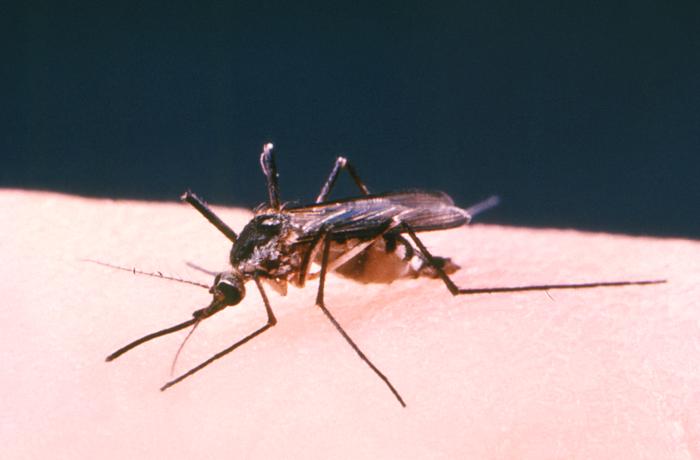
Mosquitoes collected during routine monitoring near San Carlos have tested positive for West Nile virus, the first detection of the virus in San Diego County mosquitoes this year.
For those spending time outdoors during the upcoming holiday, make sure to protect yourself against mosquito bites by following the County’s “Prevent, Protect, Report” guidelines.
Preventing mosquito bites is essential year-round in San Diego County.
Prevent Mosquito Breeding
- Dump or remove items that hold water from rain or sprinklers, including plant saucers, buckets, garbage cans, toys, old tires and wheelbarrows.
- Request free mosquito-eating fish for backyard water features—such as unmaintained, green swimming pools, ponds, and fountains —by contacting the Vector Control Program.
Protect Yourself from Bites
- Wear long sleeves and pants or use insect repellent before going outdoors.
- Choose repellents containing DEET, picaridin, oil of lemon eucalyptus, para-menthane-diol, 2-undecanone or IR3535.
- Check window and door screens to ensure they are intact and secure to keep insects out.
Report Mosquito Issues and Dead Birds
- Report increased mosquito activity, unmaintained green swimming pools and other mosquito-breeding sources.
- Report dead crows, ravens, jays, hawks and owls to the County Vector Control Program by calling (858) 694-2888 or emailing vector@sdcounty.ca.gov.
To reduce mosquito activity in the San Carlos area, the County’s Vector Control Program is inspecting and treating sites and conducting follow-up trapping. The County continues to provide mosquito inspections to residents and ongoing monitoring countywide.
West Nile virus spreads when certain mosquito species bite infected birds and then bite people. Some people who are infected may experience mild symptoms including headache, fever, nausea, fatigue, skin rash, or swollen glands. In rare cases, the virus can lead to severe illness or death.
Visit the County’s “Fight the Bite” website for more information on preventing West Nile virus.
The County’s Vector Control team works year‑round, collaborating with Public Health Services, to protect residents from vector‑borne diseases. The program monitors mosquito activity, provides community education, offers residential inspections, and treats breeding sites to reduce risks from mosquitoes, and other vectors.